
Beyond the Dental Chair: How Cronos Dental Clinic Is Rethinking the Dental Tourism Experience
Dental tourism is often discussed in terms of numbers: how much a patient can save, how much a procedure costs abroad, or how far someone is willing to travel for dental treatment.
But for the patient, the decision is considerably more personal.
Traveling to another country for dental care means choosing a medical team hundreds or even thousands of miles from home. It means trusting people you may initially have met through a screen with your health, appearance and, in the case of complex dental treatment, a significant financial investment.
That is why the future of dental tourism may depend on more than competitive prices.
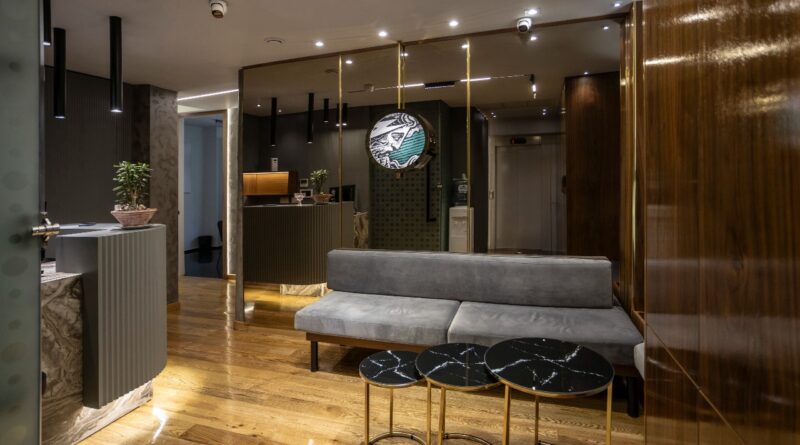
At Cronos Dental Clinic in Tirana, Albania, the focus is increasingly on the entire experience surrounding international dental care, from the first consultation and treatment planning to the patient’s arrival, treatment and long-term aftercare.
Dental Tourism Has Entered a New Phase
The first generation of dental tourism was largely driven by price.
Patients discovered that procedures such as dental implants, zirconia crowns and full-mouth rehabilitation could cost substantially less in another country, making travel financially worthwhile.
Price remains one of the reasons patients consider dental treatment abroad.
But expectations have changed.
Today’s patients can compare dentists, clinics, technologies, materials and reviews across several countries before contacting anyone. They want to understand not simply how much they can save, but what level of dental care they will receive in return.
For dental clinics operating internationally, this creates a different challenge.
Being affordable can attract attention.
Building enough trust for someone to board a plane requires considerably more.
Trust Begins Before the Patient Travels
For Cronos, the dental tourism experience begins before a patient arrives in Albania.
International patients need clarity around their proposed treatment, expected timeline and the different stages involved, particularly when considering complex procedures such as dental implants or full-mouth reconstruction.
This makes diagnostics and treatment planning central to the experience.
Cronos combines clinical expertise with a digital environment that includes Dentsply Sirona technology, 3D CBCT imaging, digital intraoral scanning, CAD/CAM systems and digitally guided implant planning.
These technologies allow the clinical team to gather detailed information and plan dental care around the individual patient’s needs.
For implant treatment, this can include evaluating bone structure, implant positioning and the requirements of the final restoration before progressing through the different stages of treatment.
Technology does not replace clinical expertise.
But in dental tourism, it can help make a complex process more structured, measurable and understandable for someone receiving treatment far from home.
The Patient Is Managing More Than Dental Treatment
An international dental patient has concerns that a local patient may never need to consider.
When should I arrive?
How many days will treatment require?
Will I need to return?
Where will I stay?
Who will help me when I arrive?
What happens between different phases of treatment?
These questions may not sound clinical, but they directly influence the patient’s experience.
This is one reason successful dental tourism requires clinics to think beyond the dental chair.
Cronos structures the international patient journey around both the clinical treatment and the practical realities of traveling to Tirana for dental care.
Depending on the treatment plan, this can involve coordinating appointments alongside accommodation, airport transfers and the different phases of the patient’s stay.
For someone already anxious about major dental treatment, removing unnecessary uncertainty from the journey can make a significant difference.
Premium Dental Care at a Different Cost Structure
Of course, economics remain part of the appeal.
Albania operates with a lower cost base than countries such as the United Kingdom, allowing private dental clinics to offer treatment at prices that can be substantially lower than those found in more expensive European markets.
But Cronos’ positioning is not built around using cheaper materials to create cheaper dentistry.
The clinic works with internationally established implant systems and premium dental materials also used across major European markets.
Its dentists follow European clinical protocols and have undertaken additional professional education and certifications internationally, including training in Germany, Italy and Switzerland, while members of its surgical team have completed advanced specialization programs in the United States.
This creates a different proposition for dental tourism.
The patient is not necessarily traveling to find the cheapest dental care.
They are traveling to access a higher level of dental care for the amount they are prepared to spend.
That distinction is becoming increasingly important.
When the Flight Home Is Not the End
Perhaps the biggest concern surrounding dental tourism appears after treatment.
What happens when the patient returns home?
For simple procedures, that question may be relatively straightforward.
For dental implants, full-mouth rehabilitation and extensive restorative dentistry, it becomes far more important.
Cronos approaches aftercare as part of the treatment rather than something separate from it.
The clinic provides a 10-year guarantee on implants, zirconia crowns and major restorations, subject to its clinical and maintenance conditions.
Long-term success also depends on appropriate maintenance and follow-up, particularly with implant-supported restorations.
This changes the relationship between an international patient and the clinic.
Dental tourism stops being a short transaction that ends at the airport.
It becomes an ongoing responsibility.
Dental Tourism Is Ultimately a Business of Trust
There is a broader business lesson behind the growth of international dental care.
Patients can compare prices more easily than ever.
They can also compare reviews, technology, clinical cases, doctors, materials and patient experiences.
That makes price increasingly difficult to use as the only competitive advantage.
For clinics such as Cronos, the stronger differentiator may be the ability to reduce the uncertainty traditionally associated with receiving dental care abroad.
Technology helps.
Experienced clinicians help.
Premium materials and guarantees help.
But so does communication, organization and the feeling that someone remains responsible for the patient throughout the process.
That is particularly important in healthcare, where trust cannot simply be added to a service after everything else has been designed.
It has to be built into the experience itself.
Beyond the Dental Chair
Dental tourism is unlikely to stop growing simply because patients can find lower prices abroad.
Its long-term development will depend on whether clinics can make international dental care feel as reliable, structured and accountable as receiving treatment closer to home.
Cronos Dental Clinic is approaching that challenge by combining advanced dental care, Dentsply Sirona technology, internationally trained clinicians, patient coordination and long-term treatment guarantees within one international patient journey.
The destination may be Tirana.
The reason patients travel may initially include price.
But what determines whether modern dental tourism succeeds is something considerably harder to quantify:
whether patients feel confident enough to cross a border for their dental care, and whether the experience ultimately justifies that trust.