
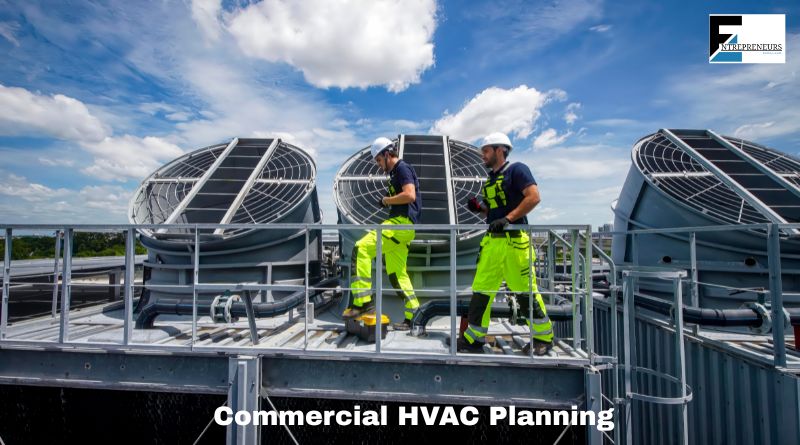
Commercial HVAC Planning
When it comes to commercial spaces, whether it’s an office, retail space, or warehouse, maintaining a comfortable environment is essential for productivity and customer satisfaction. One of the most important aspects of this is ensuring that your HVAC (Heating, Ventilation, and Air Conditioning) system is well-planned and properly maintained. A well-functioning HVAC system not only keeps employees and customers comfortable, but it can also help reduce energy costs, increase equipment lifespan, and improve air quality. Viking Cooling & Heating in San Diego specializes in providing reliable and efficient HVAC solutions, ensuring that your system is always operating at its best.
Understanding Commercial HVAC Systems
Before diving into the specifics of HVAC planning, it’s important to understand how these systems work in commercial spaces. A commercial HVAC system is designed to regulate the temperature, humidity, and air quality of a building. These systems are often more complex than residential units due to the larger size of the space and the different requirements of various areas within a building. Offices, retail spaces, and warehouses each have unique HVAC needs, which means that a one-size-fits-all approach does not work.
Commercial HVAC systems typically consist of heating and cooling units, air handlers, ductwork, thermostats, and filtration systems. The goal is to create a balanced environment where everyone feels comfortable, without causing inefficiency or excess energy consumption.
Planning for Your Commercial Space
The first step in planning an HVAC system for a commercial space is assessing the size of the building and its specific needs. For instance, offices require consistent temperature control to create a productive work environment, while retail spaces may need more focused heating and cooling for customer comfort. Warehouses, on the other hand, often need systems that can handle the higher ceilings and large open areas to ensure proper airflow.
Key considerations when planning your HVAC system include:
- Space Layout: The layout of your space will influence how air circulates and where temperature imbalances may occur.
- Building Insulation: Poor insulation can lead to heat loss or gain, making HVAC systems less efficient.
- Airflow Requirements: Different areas of your commercial space will have different airflow needs based on their function.
- Energy Efficiency: Choosing an energy-efficient system can significantly lower operating costs and reduce your carbon footprint.
The Importance of Zoning in Commercial HVAC Systems
Zoning is an essential part of a well-planned HVAC system, especially in large commercial spaces. Zoning involves creating different temperature zones within a building, which allows for better control and energy efficiency. For example, in an office building, you might want to keep the conference rooms cooler than the cubicle areas to ensure comfort during meetings. Similarly, in a retail space, the HVAC system can be adjusted to focus on customer-facing areas while conserving energy in storage areas.
Why is zoning important?
- It helps reduce energy waste by tailoring heating or cooling to specific areas.
- It improves comfort by ensuring that each zone is heated or cooled to an ideal temperature.
- It allows for better control, making it easier to respond to temperature changes in different parts of the building.
The Role of Regular Maintenance in HVAC Performance
A well-planned HVAC system is only as good as its maintenance. Regular maintenance not only keeps your system running smoothly but also extends its lifespan, reduces the likelihood of unexpected breakdowns, and helps maintain energy efficiency. For commercial HVAC systems, regular maintenance includes cleaning filters, inspecting ducts, checking refrigerant levels, and ensuring that the system’s components are functioning properly.
Fun fact: Did you know that properly maintaining your HVAC system can improve air quality by up to 30%?
This is especially important in commercial spaces where air quality can significantly impact employee health and productivity. Poor air quality can lead to symptoms like headaches, fatigue, and respiratory issues, which can negatively affect performance. Regular maintenance ensures that your system is not only keeping the temperature comfortable but also improving the air you breathe.
Portable Chiller Rentals: A Flexible Cooling Solution
In some commercial spaces, the need for additional cooling during peak periods or special events may arise. In such cases, portable chiller rental units can be a lifesaver. These units provide a temporary but efficient cooling solution when your existing HVAC system isn’t enough to handle the increased load. Whether it’s a retail space hosting a large event, a warehouse with seasonal temperature fluctuations, or an office undergoing renovation, portable chillers offer flexibility and convenience without the need for permanent installation.
These units are particularly useful for large spaces that need rapid temperature adjustments. They can be easily moved to different areas as needed and can help maintain a comfortable environment during the hottest months of the year. By renting a portable chiller from http://aercosystems.com/, you can avoid the expense and hassle of upgrading your entire HVAC system while still ensuring that your space stays cool and comfortable.
Energy Efficiency in Commercial HVAC Systems
One of the biggest factors in planning an efficient HVAC system for commercial spaces is energy consumption. HVAC systems can account for a large portion of your building’s energy use, so it’s important to invest in a system that not only meets your comfort needs but also reduces energy costs.
There are several strategies to improve the energy efficiency of commercial HVAC systems:
- Programmable Thermostats: These allow you to set the temperature based on business hours, ensuring that the system isn’t running unnecessarily when the space is unoccupied.
- Variable Speed Fans: These fans adjust the airflow based on the temperature, reducing energy usage during off-peak hours.
- Energy-Efficient Equipment: Look for HVAC units that are certified by energy efficiency programs like ENERGY STAR. These units use less energy while still providing effective heating and cooling.
A Balanced Approach for Comfort and Efficiency
Planning an HVAC system for your commercial space requires careful consideration of your building’s layout, the specific needs of different areas, and your energy efficiency goals. By choosing the right system and incorporating zoning and regular maintenance, you can ensure that your office, retail space, or warehouse remains comfortable all year round. Whether you’re in need of a permanent solution or a temporary boost in cooling, portable chiller rentals offer flexibility without the commitment of a full system upgrade. Ultimately, a well-designed HVAC system will keep everyone happy while helping you save on energy costs and improve overall comfort.