
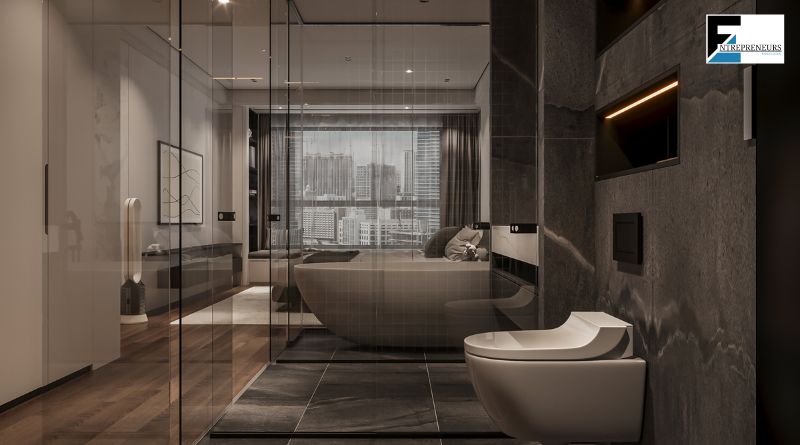
Redefining Bathroom Luxury in 2026
There was a time, not so long ago, when bathrooms were treated as functional afterthoughts, spaces defined by sterile white tiles, cold chrome fixtures, and a “get in, get out” mentality. That era has officially reached its conclusion, replaced by a design philosophy that views the bathroom as a vital personal sanctuary. Modern homeowners are no longer satisfied with mere utility; they are seeking a space designed for restoration, calm, and a specific kind of quiet luxury that invites one to linger. This shift is not subtle, as a vast majority of design professionals now report that clients are demanding resort-inspired aesthetics within their own homes.
People are investing heavily in warmth, organic materials, and wellness features that transform daily hygiene routines into something much closer to a restorative ritual. By prioritizing comfort-focused bathroom upgrades that emphasize the human experience, the modern bath has evolved into a centerpiece of the home’s emotional landscape. This new direction focuses on the intersection of high-end materials and atmospheric lighting to create a feeling of total immersion.
The Great Migration from Clinical Cold to Organic Warmth
For the better part of a decade, the “ideal” bathroom was characterized by cool grays and stark, antiseptic whites that often felt more clinical than comforting. The current movement flips this script entirely, embracing a palette of warm neutrals that feel like a deep, relaxing breath. While neutral tones remain a staple for nearly all designers, the actual “temperature” of these colors has shifted toward sophistication and comfort. Off-whites, light browns, tans, and creamy ivories are now the dominant foundation for these spaces, moving away from the impersonal vibes of the past. This evolution is directly connected to a broader wellness movement that views the home as a refuge from a high-stress world.
As these spaces become “decompression chambers” designed to lower cortisol levels, the choice of materials has become the most critical factor in the design process. Natural stone has reclaimed its place at the center of this transformation, with materials like travertine, limestone, and marble with rich, heavy veining replacing uniform, synthetic surfaces. The appeal is both aesthetic and emotional, as these materials offer a sense of permanence and texture that engineered alternatives simply cannot match. Designers are increasingly utilizing underlit natural stone slabs to highlight the internal mineral structures of these materials, turning a vanity or a shower wall into a glowing, ethereal focal point. This integration of light and stone allows the material to “breathe,” casting a soft radiance that eliminates the need for harsh overhead bulbs. The finish of the stone has also evolved, with honed surfaces almost entirely overtaking high-gloss polishes to provide a soft, tactile experience that feels more authentic to the touch.
Engineering the Ultimate Wellness Experience
The most significant shift in modern design isn’t just about a specific color or material; it is a total commitment to the philosophy of the bathroom as a private spa. Homeowners are now treating these rooms as wellness hubs, incorporating features that would have seemed like extreme extravagances only a few years ago. Steam showers have become one of the most requested features for home remodels, providing a space for detoxification and deep relaxation. Radiant floor heating has moved from a luxury “extra” to a near-standard requirement, turning the shock of a cold floor into a pleasant, welcoming sensation.
This focus on wellness also extends to the very water we use and the light we see, creating a multi-sensory environment. Advanced showerheads now include red-light therapy and sophisticated filtration systems to promote skin health and mental clarity. Lighting is no longer just about visibility; it is about atmosphere and intention. Most designers now prioritize layered lighting that combines task-oriented bulbs for grooming with mood-enhancing illumination for bathing. This often includes programmable systems that can mimic the passage of the sun, helping the body’s natural rhythms stay in sync. Technology is present, but it is quiet and unobtrusive; touchless faucets and programmable shower settings work behind the scenes to reduce friction and enhance the feeling of effortless ease.
When Tile Becomes Architectural Art
In this new era, tile is no longer a background player meant to blend into the walls, but a primary medium for artistic expression. We are seeing a massive growth in the use of patterned and textured tiles that add rhythm and dimension to the space. Hand-cut shapes, irregular profiles, and custom arrangements are being used to create focal points that demand attention. Classic patterns like herringbone and chevron are making a comeback, but they are being reimagined with modern materials and unexpected color combinations that feel fresh and intentional.
This artistic approach to tiling is particularly evident in the shower, which has become a major architectural statement in the modern home. Features like recessed niches, built-in stone benches, and seamless glass enclosures elevate the shower from a functional stall to a curated experience. Some designers are even pushing the boundaries by incorporating framed artwork and soft window treatments into the bathroom to make it feel less like a utility room and more like a high-end living space. This blurring of lines between the “wet” areas and the “dry” living areas is a hallmark of the sophisticated, modern aesthetic that prioritizes comfort above all else.
The Practical Return of the Bathtub
After years of freestanding tubs dominating social media feeds without necessarily being used, there is a renewed interest in practical, built-in bathtub designs. The newest iterations of the bathtub are focused on function and surround-space, featuring drop-in and undermount styles with wide ledges. These ledges provide essential space for plants, candles, and products, making the act of soaking a more immersive and convenient experience. While many still prefer a large, high-tech shower, those who choose tubs are opting for materials like travertine to create a warm, textured surround that feels like a genuine escape from the mundane.
A Palette Rooted in the Natural World
While the foundation of the modern bath is built on warm neutrals, color is making a meaningful comeback through nature-inspired accents. Greens are the leading choice for those looking to add a bit of life to their space, with sage and olive tones providing a calming, forest-like atmosphere. Earthy ambers, caramels, and mustards are also appearing as sophisticated ways to add depth to a room without sacrificing its serenity. For those who want to make a bolder statement, deep navy blues and even soft pinks are being used to create unique, personalized backdrops that reflect the homeowner’s individual style.
The materials themselves often provide the color, with stunning blue or gold-veined quartzites acting as natural masterpieces on countertops and walls. This move toward “living” materials extends to the hardware as well. Matte, brushed, and satin finishes are now the preferred choice for faucets and handles, as they offer a softer look than polished chrome. Unlacquered brass is particularly popular for its ability to develop a natural patina over time, adding a sense of history and character to the room. Wood-faced vanities have also seen a surge in popularity, as they provide a tactile, organic warmth that painted cabinets simply cannot replicate.
Crafting a Timeless Sanctuary
Ultimately, the goal of these trends is to create a space that remains functional and beautiful long after the initial excitement of a remodel has faded. The focus on high-quality natural stone ensures that the bathroom will age with elegance, developing a character that only enhances its value over time. Whether through transitional designs that blend the old with the new or minimalist modern setups that focus on clean lines, the common thread is a commitment to quality over flashiness. These bathrooms are expensive because of the craftsmanship and the materials involved, not because they are trying to prove a point with loud, trend-driven choices.
As we move forward, the bathroom will continue to serve as the ultimate site for self-care and restoration within the home. By embracing warm colors, natural stone, and wellness-focused technology, we are creating spaces that not only help us get ready for the day but also help us recover from it. The transformation of the bathroom into a glowing, stone-clad sanctuary is more than just a design trend; it is a fundamental shift in how we prioritize our mental and physical well-being in the modern age.