
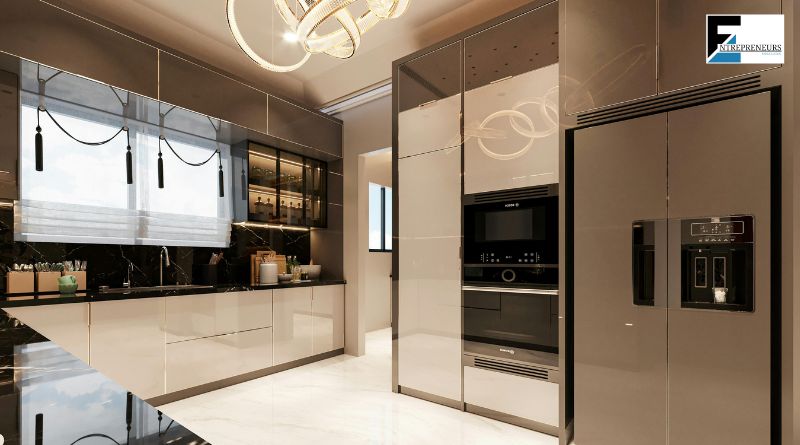
The Once-Essential Kitchen Features We Are Now Leaving Out
The modern kitchen is undergoing a profound transformation as we move into a new era of interior design. For decades, the kitchen was viewed primarily through a lens of utility, a place designed for the heat of the stove and the efficiency of the cleanup. However, as our homes have become more integrated and our lives more centered around social connection, the rigid “workhorse” kitchen is fading away. We are seeing a shift toward softer, more liveable environments that prioritize atmosphere just as much as they do storage. This evolution is leading many homeowners to reconsider the features they once thought were non-negotiable, opting instead for layouts that feel like a natural extension of the living room, according to Kitchen Magic, while still maintaining high-end aesthetics. This departure from tradition marks a significant turning point in how we perceive the heart of the home.
In the past, a kitchen renovation was often a race to see how much cabinetry and stone could be crammed into a single footprint. Today, the philosophy has shifted toward “less is more,” where the quality of materials and the flow of the room take precedence over sheer volume. We are no longer designing spaces that look like industrial laboratories; instead, we are crafting rooms that invite you to stay a while, whether you are preparing a five-course meal or simply enjoying a quiet cup of coffee. By removing some of the heavier, more traditional elements, we create room for architectural details to shine and for the home’s personality to emerge.
This new direction in design focuses heavily on the emotional impact of a space rather than just its mechanical output. Designers are looking for ways to soften the hard edges of the kitchen by introducing textures and layouts that feel gathered over time rather than installed in a single weekend. While the primary goal remains creating functional cooking spaces for the modern family, the methods for achieving this have become much more nuanced and artistic. We are seeing a move away from the “standard” kitchen package and toward a more curated, thoughtful approach to the home’s most important room.
The End of the Upper Cabinet Era
The sight of wall-to-wall upper cabinets used to be a hallmark of a high-end kitchen, but that trend is rapidly losing steam in favor of a more open aesthetic.
For generations, the standard kitchen layout involved a “U” or “L” shape where every available inch of vertical wall space was occupied by heavy wooden boxes. While this provided ample storage, it often resulted in a space that felt closed-in, dark, and strictly utilitarian. Modern homeowners are now choosing to forgo these upper units to create a sense of airiness and light. By leaving the walls bare or using a single, long shelf, you allow the room to breathe. This shift allows for beautiful windows to take center stage, bringing in natural light that reflects off the countertops and makes the entire home feel larger.
When we remove the visual weight of upper cabinets, we also open up opportunities for creative wall treatments. Instead of staring at cabinet doors while you prep food, you might find yourself looking at a stunning plaster finish, a beautiful piece of art, or a wall of handcrafted stone. This doesn’t mean storage is no longer important; it simply means we are getting smarter about where we put things. Many designers are now leaning toward tall, floor-to-ceiling pantry units tucked into a corner or a separate larder. This keeps the main cooking area feeling like a gallery rather than a warehouse, proving that functionality doesn’t have to come at the expense of beauty.
Moving Beyond the Traditional Backsplash
The traditional tiled backsplash, once a mandatory feature for protecting walls from grease and grime, is being replaced by more subtle and integrated solutions.
In many contemporary designs, the heavy, busy patterns of subway tile or mosaic are being left behind in favor of a “quiet” wall. Homeowners are increasingly interested in material integrity, preferring to let a single, beautiful surface speak for itself. One of the most popular ways to achieve this is by extending the countertop material just a few inches up the wall, a feature often called an upstand. This provides the necessary protection for the wall while maintaining a clean, architectural line that feels sophisticated and intentional. It removes the visual “noise” that often comes with grout lines and contrasting tile patterns.
For those who still want a bit more protection, the trend is moving toward large-scale slabs or even leaving the wall entirely clear in areas that aren’t directly behind a stovetop. In some cases, a simple splash of waterproof plaster or a specialized paint can provide enough durability for a low-impact kitchen. This approach allows the textures of the home to feel more cohesive. When the kitchen walls match the rest of the living area, the boundaries between cooking and relaxing begin to blur, creating a home that feels like one continuous, harmonious space rather than a series of disconnected boxes.
Shedding Light on the Death of the Downlight
The era of the “Swiss cheese” ceiling, filled with dozens of harsh recessed spotlights, is finally coming to an end as we embrace a more layered approach to illumination.
Recessed lighting has long been the default choice for kitchens because it is practical and unobtrusive. However, a grid of bright, overhead lights can often feel clinical and unflattering, casting harsh shadows and making a social space feel more like an operating room. As the kitchen evolves into a room for entertaining and relaxing, the lighting needs to follow suit. Designers are now favoring “mood” lighting over “task” lighting, using a variety of sources to create a warm and inviting glow. This shift is about more than just seeing what you are doing; it is about how the room feels when the sun goes down.
To achieve this softer look, many are turning to decorative pendants and wall sconces that add a sense of character and scale to the room. A beautiful set of lights over a prep area can act as the “jewelry” of the kitchen, providing a focal point that is both functional and stylish. Perhaps even more surprising is the emergence of the “counter lamp”, a small, shaded lamp placed directly on the stone or a shelf. This adds an unexpected domestic quality to the kitchen, making it feel cozy and lived-in. When you layer these different types of light, you can easily transition the room from a bright workspace in the morning to a dim, intimate lounge in the evening.
The Evolution of the Kitchen Island
While the kitchen island remains a staple of the home, the classic, built-in “block” is being traded for pieces that feel more like furniture.
The traditional built-in island, often complete with an integrated sink and a row of heavy bar stools, can sometimes feel like a massive obstacle in the middle of a room. It creates a rigid boundary that dictates how people must move through the space. In response, many people are looking toward freestanding work tables or antique islands. These pieces often have legs, which allows you to see the floor underneath them, immediately making the kitchen feel more spacious and less “fitted.” A work table feels less like a permanent installation and more like a collected piece of furniture, adding a sense of history and soul to a new build.
Furthermore, the way we sit on these islands is changing. Instead of the traditional “perch” on a tall bar stool, which can be uncomfortable for long periods, many are opting for lower, table-height extensions or even integrated banquette seating. This encourages people to linger longer, turning the kitchen into a true multipurpose hub where children can do homework, guests can chat comfortably, and the cook doesn’t feel isolated. By moving away from the monolithic, stationary island, we allow the kitchen to become a more flexible environment that adapts to the needs of the household rather than forcing the household to adapt to the cabinetry.