
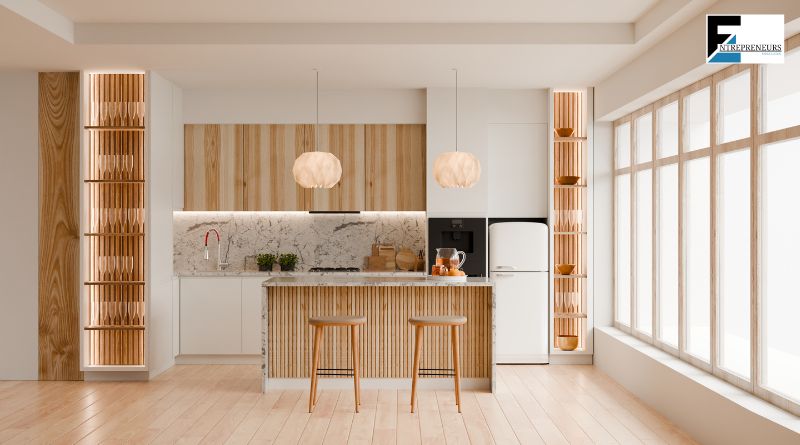
Kitchen Trends 2026: The Trending Features and Styles to Know About
Much like the shifts we see on the fashion runways, the world of interior design relies heavily on forecasting to stay ahead of the curve. As we look toward 2026, designers and industry experts are already peering into their crystal balls to predict how our most-used rooms will evolve. The kitchen, often considered the heart of the home, remains the most anticipated space for these reveals. For the coming year, the forecast suggests a departure from purely utilitarian spaces in favor of rooms that feel lived-in, warm, and deeply personal.
The evolution of kitchen design is particularly exciting for 2026 because it emphasizes livability over clinical perfection. We are seeing a move toward spaces that don’t just function as cooking zones but as genuine extensions of our living areas. For many homeowners, this shift represents a cost-effective kitchen transformation that prioritizes thoughtful updates and character-rich details over stark, modern minimalism, allowing the room to feel more like a sanctuary. This focus on comfort ensures that the kitchen remains the most inviting spot in the house for family and guests alike.
Professional designers are increasingly focused on how these spaces facilitate connection and flow within the home. They are moving away from rigid layouts and toward more organic, architectural moments that feel intentional and curated.
A high-quality build often serves as the foundation for these aesthetic shifts, and many find that visiting http://www.northeastdesignbuild.com provides the necessary inspiration for crafting a space that balances durability with the latest design movements. By focusing on craftsmanship and texture, the kitchens of 2026 will bridge the gap between high-end professional utility and cozy, residential charm.
Redefining the Open-Plan Layout
The long-standing reign of the fully open-concept kitchen is beginning to face a subtle but significant pushback from homeowners and designers alike. While the desire for light and connection remains, there is a growing need for definition and privacy to manage the noise and occasional mess of a busy cooking space.
Pass-through windows are emerging as a sophisticated alternative to knocking down every wall. This feature works like a framed view, connecting the kitchen to the dining or living area without sacrificing the architectural boundaries of either room. It allows light and conversation to flow freely while maintaining a sense of enclosure. From a practical standpoint, it is incredibly helpful for entertaining, allowing food and drinks to move seamlessly between rooms without breaking the flow of a party.
Beyond the pass-through, the “broken-plan” layout is gaining momentum. This approach uses architectural elements such as glass partitions, archways, or even decorative ceiling beams to subtly delineate the cooking zone from the rest of the house. Many are also reintroducing secondary spaces like hidden sculleries or prep kitchens. This allows the main kitchen to remain a polished, social environment while the heavy-duty cleaning and preparation happen out of sight.
Embracing Softer Silhouettes and Organic Curves
Modern kitchens have historically been defined by hard edges and sharp angles, but 2026 is set to be the year when we finally embrace the curve. This trend is all about removing the rigid feel typical of cabinetry and stone, replacing it with a more inviting and rhythmic flow.
We are seeing curves appearing in both classic and unexpected ways, from softly contoured islands to arched cabinetry doors and rounded backsplashes. These organic forms help to soften the visual impact of a room filled with heavy appliances and stone surfaces. Designers suggest that a curved island not only looks more elegant but also facilitates better movement throughout the room, eliminating sharp corners that can feel obstructive in smaller spaces.
You don’t necessarily need a full remodel to embrace this look. Introducing rounded elements through furniture, such as stools with curved backs or circular dining tables, can instantly update the atmosphere. Even smaller details, like a circular window or a scalloped edge on a shelf, can contribute to this softer aesthetic. The goal is to create a space that feels more like a curated room and less like a laboratory.
The Evolution of the Pantry and Storage
The pantry is no longer a dark closet hidden behind a solid door; in 2026, it is being reimagined as a prominent design feature within the kitchen. The trend toward glass-enclosed pantries is gaining traction as homeowners look for ways to showcase their organization and beautiful kitchenware.
By using glass partitions or framed glass doors, the pantry becomes a “jewel box” that adds depth and visual interest to the kitchen. This trend encourages a more thoughtful approach to storage, where everyday necessities, ceramics, and glassware are styled with care. It strikes a perfect balance between presentation and practicality, keeping items accessible while turning the act of storage into an art form.
Accompanying this shift is the rise of decorative shelving details, specifically the use of gallery rails. These small brass or metal railings added to the edges of open shelves act as “jewelry” for the kitchen. They provide an elegant, custom look while serving the functional purpose of keeping items secure. Whether used for spice racks or display ledges for art and cookbooks, these tiny details elevate the kitchen’s overall aesthetic from standard to sophisticated.
A New Palette of Earthy Hues and Bold Accents
The era of the all-white or cool-gray kitchen is officially fading, replaced by a palette that draws inspiration from the natural world and historical elegance. For 2026, the focus is on creating a sense of warmth and depth through color.
Warm neutrals, such as sandy beiges, mushroom tones, and earthy browns, are becoming the new go-to for cabinetry. These colors provide a sophisticated backdrop that feels much more inviting than stark white. For those looking to make a bolder statement, rich shades of purple and deep reds are making a dramatic return. These moody, sophisticated hues bring a sense of luxury and personality to the kitchen, especially when paired with natural wood tones and unpolished stone.
Texture is just as important as color in the coming year. Designers are layering natural materials like marble, wood, and clay to create a tactile environment. We are also seeing the “countersplash” trend, where the countertop material is extended up the wall as a backsplash. This creates a seamless, monolithic look that highlights the natural veining of the stone and minimizes visual clutter, contributing to a “quiet luxury” aesthetic that feels timeless and refined.
Unexpected Lighting and the Non-Kitchen Aesthetic
As the kitchen continues to evolve into a primary living space, the way we light it and furnish it is changing to match the rest of the home. The most successful designs of 2026 will be those that prioritize atmosphere and personality over purely task-oriented features.
Lighting is becoming much more playful and unexpected. Instead of standard recessed lights or predictable pendants over the island, designers are introducing elements typically found in living rooms or libraries. Think of decorative wall sconces, traditional picture lights above open shelves, or even a statement floor lamp in a corner. These layers of light add warmth and interest, making the kitchen feel like a room you want to linger in long after the meal is finished.
Finally, we are seeing the rise of the “non-kitchen” kitchen. This trend involves hiding bulky appliances behind custom cabinetry and moving away from traditional banks of upper cabinets. By using vintage furniture pieces, such as an antique wooden table instead of a built-in island, and incorporating art and mirrors, the kitchen begins to look like a true extension of the living room. This approach results in a space that feels lived-in, curated, and unique to the person who calls it home.