
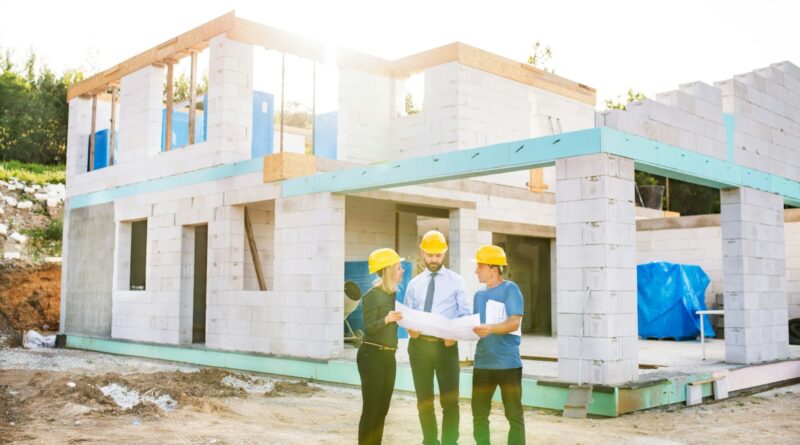
Property Design Choices That Support Rental Income
Key Highlights
-
Why design plays a major role in rental appeal and longevity
-
How flexibility can protect income as needs change
-
Where secondary living spaces add practical value
-
What renters tend to prioritise in well-designed homes
Rental income is rarely determined by location alone. While position matters, design choices often shape how consistently a property performs over time. Layout, functionality, and adaptability influence who a property attracts and how long tenants choose to stay.
Homes that support rental income tend to do one thing well. They make everyday living easier. When a property feels practical and comfortable, it appeals to a wider range of renters and adapts more easily as market demand shifts Waste Removal USA.
Why functionality matters more than finishes
High-end finishes can attract attention, but they don’t always determine rental success. Tenants usually prioritise how a space works day to day. Storage, natural light, and sensible layouts often matter more than design trends.
Functional homes reduce friction. Kitchens that flow, living areas that feel usable, and bedrooms that offer privacy all contribute to a better living experience. These elements can influence tenant satisfaction and reduce turnover.
When homes are designed around real use rather than visual impact alone, they tend to remain relevant for longer.
Designing for flexibility in changing markets
Rental markets change. What suits one tenant group today may not suit the next. Properties that can adapt without major alteration often perform more consistently across these shifts.
Flexible design allows spaces to serve multiple purposes. A room that works as a study may later become a bedroom. Separate living areas can support shared arrangements or growing households.
This adaptability helps future-proof rental income by widening the pool of potential tenants.
The value of self-contained living spaces
Self-contained areas within a property can significantly influence rental potential. They offer privacy and independence, which are increasingly valued by renters across different age groups.
These spaces can appeal to extended families, couples seeking separation, or individuals wanting autonomy within a shared property. When designed well, they feel intentional rather than secondary.
This is where houses with granny flats often come into focus. They provide an additional living option without requiring a separate block of land, allowing owners to respond to different rental scenarios over time.
Beechwood Homes designs granny flat solutions that reflect this growing demand for flexible, self-contained living within a single property footprint.
Privacy as a driver of rental appeal
Privacy consistently ranks high among renter priorities. Design choices that reduce noise transfer, limit shared access points, and define personal space can influence how desirable a property feels.
Separate entrances, thoughtful placement of living areas, and clear zoning all contribute to a sense of independence. Even within shared properties, these features can help tenants feel more at home.
Privacy-focused design often supports longer tenancies, which can stabilise rental income.
Long-term thinking in property design
Rental-focused properties benefit from long-term planning. Materials that age well, layouts that accommodate change, and spaces that remain functional across life stages all support sustained performance.
Short-term decisions may deliver quick returns, but thoughtful design tends to deliver consistency. Properties that adapt with minimal intervention are easier to manage and maintain.
Designing with longevity in mind helps protect both income and asset value.
Why renter needs should guide design decisions
Successful rental properties often reflect renter behaviour rather than owner preference. Observing how people live, work, and share space provides insight into what designs perform best.
When design decisions align with real needs, properties become easier to rent and easier to retain tenants in. This alignment supports stable income and reduces periods of vacancy.
Property design that supports rental income is ultimately about balance. It blends flexibility, comfort, and practicality to meet changing demand while maintaining long-term appeal.