
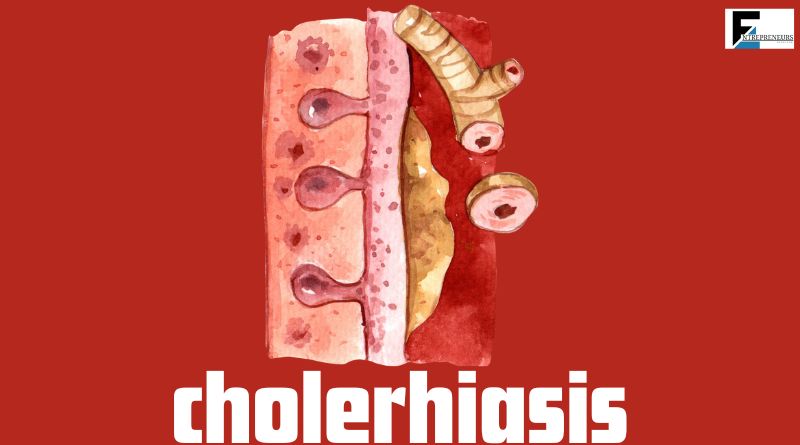
Cholerhiasis
Introduction to a Rare but Important Biliary Condition
Cholerhiasis is a medical term that refers to the formation or presence of stones within the bile ducts, a condition that is closely related to disorders of the biliary system and liver function. While gallstones are widely discussed and commonly diagnosed, this condition remains relatively less understood by the general public, despite its potential to cause significant discomfort and serious complications if left unmanaged. Understanding the nature of cholerhiasis, its causes, symptoms, diagnostic approaches, and available management strategies is essential for both patients and healthcare learners who want a deeper insight into biliary health. This article explores the topic in detail, presenting clear and well-researched information in a human-centered, easy-to-follow narrative.
Understanding the Biliary System and Stone Formation
The biliary system plays a crucial role in digestion by producing, storing, and transporting bile. Bile is a digestive fluid made by the liver and stored in the gallbladder before being released into the small intestine to help break down fats. When the delicate balance of bile components such as cholesterol, bile salts, and bilirubin is disrupted, solid particles may form. Over time, these particles can aggregate and harden into stones. When such stones are located specifically in the bile ducts rather than in the gallbladder, the condition is identified as cholerhiasis.
Unlike gallstones that may remain asymptomatic for years, stones in the bile ducts often interfere directly with bile flow. This obstruction can trigger inflammation, infection, and pressure buildup in the liver and pancreas, making the condition more clinically significant. The size, number, and location of the stones all influence how the disease progresses and how severe the symptoms may become.
Causes and Risk Factors Associated with Bile Duct Stones
The development of bile duct stones is rarely the result of a single cause. Instead, it is usually linked to a combination of metabolic, genetic, and lifestyle-related factors. One common cause is the migration of stones from the gallbladder into the bile ducts. In other cases, stones may form directly within the ducts due to bile stasis or infection.
Risk factors include advancing age, obesity, rapid weight loss, pregnancy, and certain dietary patterns that are high in fat and low in fiber. Medical conditions such as liver cirrhosis, hemolytic anemia, and infections of the biliary tract can also increase susceptibility. Additionally, individuals with a family history of biliary diseases may have a higher likelihood of developing this condition, highlighting the role of genetic predisposition.
Common Symptoms and Warning Signs
The symptoms associated with bile duct stones can vary widely depending on whether the ducts are partially or completely blocked. Some individuals may experience mild discomfort, while others develop severe, acute symptoms that require immediate medical attention. Abdominal pain, particularly in the upper right quadrant, is one of the most frequently reported signs. This pain may radiate to the back or right shoulder and often intensifies after meals.
Other symptoms include jaundice, which causes yellowing of the skin and eyes due to the buildup of bilirubin in the bloodstream. Dark urine, pale stools, nausea, vomiting, and fever may also occur, especially if an infection such as cholangitis develops. In more serious cases, inflammation of the pancreas, known as pancreatitis, can arise when bile flow is obstructed near the pancreatic duct.
Diagnostic Methods Used in Clinical Practice
Accurate diagnosis is essential for effective management and prevention of complications. Physicians typically begin with a thorough medical history and physical examination, followed by laboratory tests to assess liver function. Elevated levels of bilirubin and liver enzymes can indicate bile duct obstruction and prompt further investigation.
Imaging studies play a central role in confirming the presence of stones. Ultrasound is often the first imaging technique used due to its non-invasive nature and wide availability. However, more advanced methods such as magnetic resonance cholangiopancreatography (MRCP) and endoscopic ultrasound provide greater detail and accuracy. In certain cases, an endoscopic retrograde cholangiopancreatography (ERCP) may be performed, which allows for both diagnosis and treatment during the same procedure.
Treatment Approaches and Management Strategies
The treatment plan for cholerhiasis depends on the severity of symptoms, the size and location of the stones, and the overall health of the patient. In many cases, endoscopic procedures are the preferred option. ERCP is commonly used to remove stones from the bile ducts, relieve obstruction, and restore normal bile flow. This minimally invasive technique has significantly reduced the need for open surgical intervention.
Surgical options may still be necessary in complex cases or when endoscopic treatment is unsuccessful. These procedures aim to remove the stones and, if needed, address underlying issues such as gallbladder disease. Supportive care, including pain management, antibiotics for infection, and intravenous fluids, is also an important component of treatment. Long-term management focuses on preventing recurrence through dietary modifications and addressing metabolic risk factors.
Potential Complications if Left Untreated
Failure to diagnose and manage bile duct stones promptly can lead to serious health consequences. Persistent obstruction can cause chronic inflammation of the biliary system, resulting in scarring and long-term liver damage. Acute infections such as ascending cholangitis can become life-threatening if not treated quickly, as bacteria may spread into the bloodstream.
Another major concern is pancreatitis, which occurs when bile backs up into the pancreatic duct. This condition can range from mild to severe and may require hospitalization. Over time, repeated episodes of obstruction and inflammation can significantly impact quality of life, underscoring the importance of early detection and appropriate care.
Prevention and Lifestyle Considerations
While not all cases can be prevented, certain lifestyle choices can reduce the risk of developing bile duct stones. Maintaining a balanced diet rich in fiber, fruits, and vegetables supports healthy bile composition and digestion. Regular physical activity helps regulate cholesterol levels and promotes overall metabolic health.
Avoiding rapid weight loss and managing chronic conditions such as diabetes and liver disease also play a role in prevention. For individuals who have previously experienced this condition, regular medical follow-up and imaging may be recommended to monitor biliary health and detect any early signs of recurrence.
Long-Term Outlook and Patient Education
With timely diagnosis and modern treatment options, the long-term outlook for individuals affected by cholerhiasis is generally favorable. Most patients experience significant symptom relief following stone removal and can return to normal daily activities. However, education remains a key element of care. Understanding the warning signs, adhering to follow-up recommendations, and making informed lifestyle adjustments empower patients to take an active role in their health.
Healthcare providers emphasize the importance of not ignoring persistent abdominal pain or jaundice, as these symptoms may signal an underlying biliary issue. Increased awareness and knowledge contribute to earlier intervention, reduced complications, and better overall outcomes.
Conclusion
Cholerhiasis represents a significant yet often overlooked condition within the spectrum of biliary diseases. By understanding how bile duct stones form, recognizing their symptoms, and appreciating the value of modern diagnostic and treatment methods, individuals can better protect their digestive and liver health. Ongoing research and patient education continue to improve outcomes, making early detection and comprehensive care the cornerstones of effective management.